From digital parts to a real model.
I am working on a new experimental direction for BrickForge: complete projects prepared for home 3D printing.
The first project is the Iron Man helmet shown here, fully printed and assembled from individual parts.
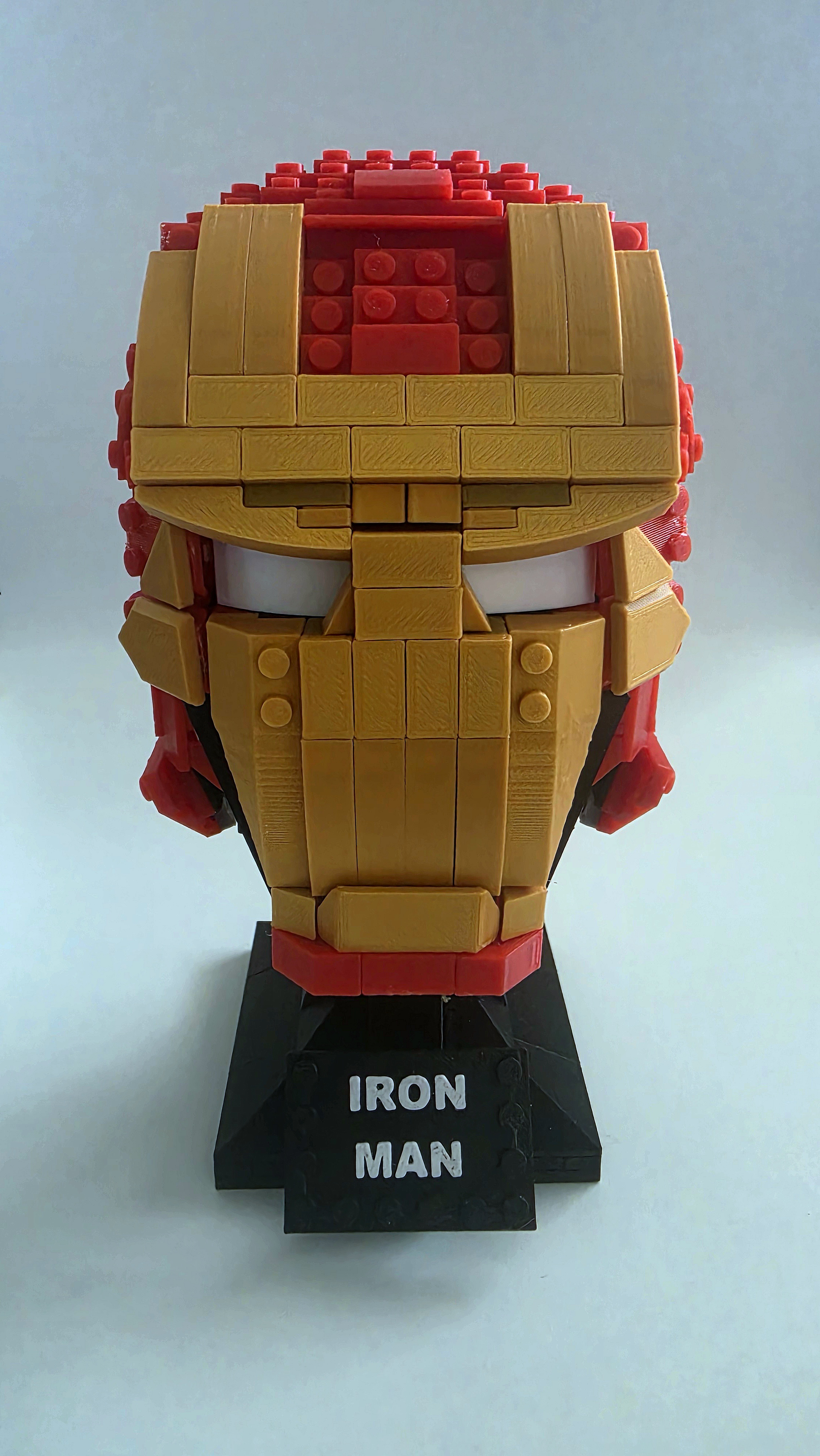
I created more than 100 unique parts by hand, adapting them specifically for FDM printing. Rather than checking isolated models, I am putting the entire project through a real print and complete physical assembly.
During testing, some parts are refined further to improve fit, print quality and ease of assembly.
Why recreate the parts from scratch?Learn more
Converting a digital model to STL does not automatically mean that the resulting part will work well after FDM printing.
Dimensions and connections designed for factory-moulded parts do not always produce good results on a home 3D printer. That is why the parts in this project were recreated manually with the characteristics of FDM printing in mind.
Special attention is given to clearances and connections so that printed elements:
- connect reliably to one another;
- do not require excessive force during assembly;
- remain secure once connected;
- print without unnecessary complications;
- produce the cleanest practical result on an ordinary FDM printer.
This is why several parts are still being adjusted and reprinted during the full assembly of the first project.
Redesigned where 3D printing needs itSee how parts can be redesigned
In some areas, I intentionally change the construction of a part when doing so makes it more suitable for 3D printing.
For example, one section of this project originally required five separate elements. For the Ready-to-Print version, I combined them into one purpose-designed printable part.
This reduces the number of separate elements, simplifies printing and assembly, and creates a more reliable structure while preserving the required shape and function inside the model.
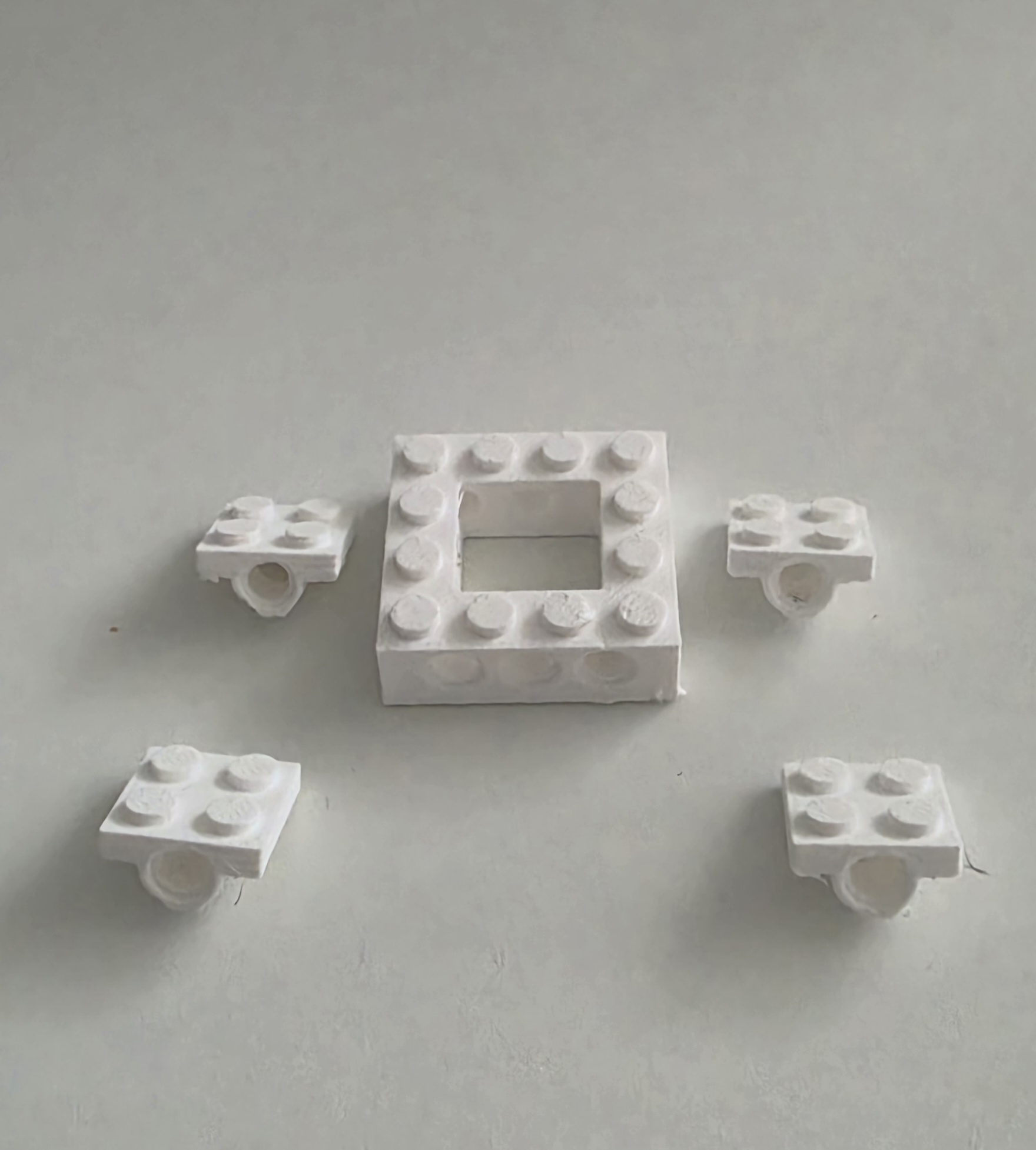
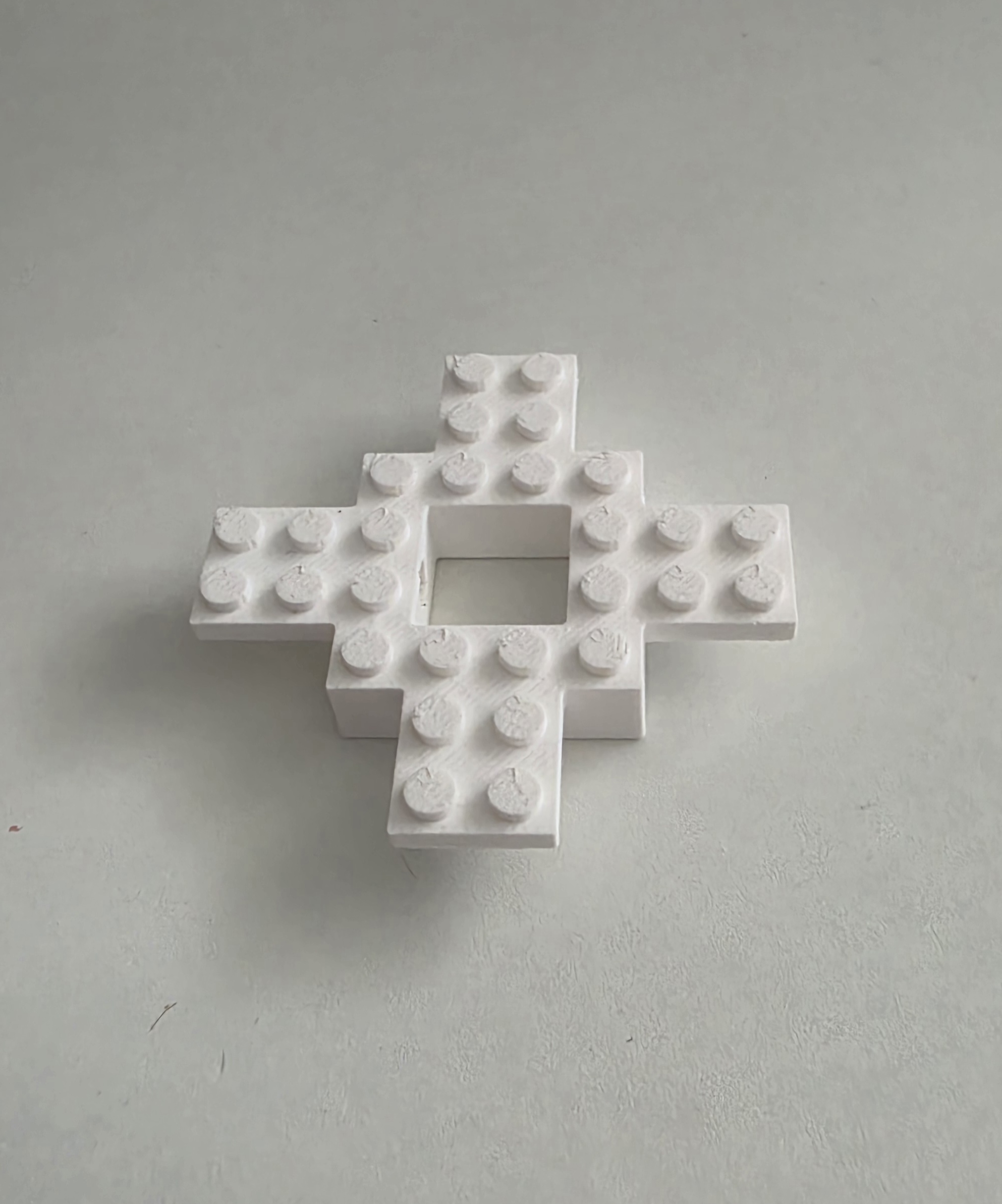
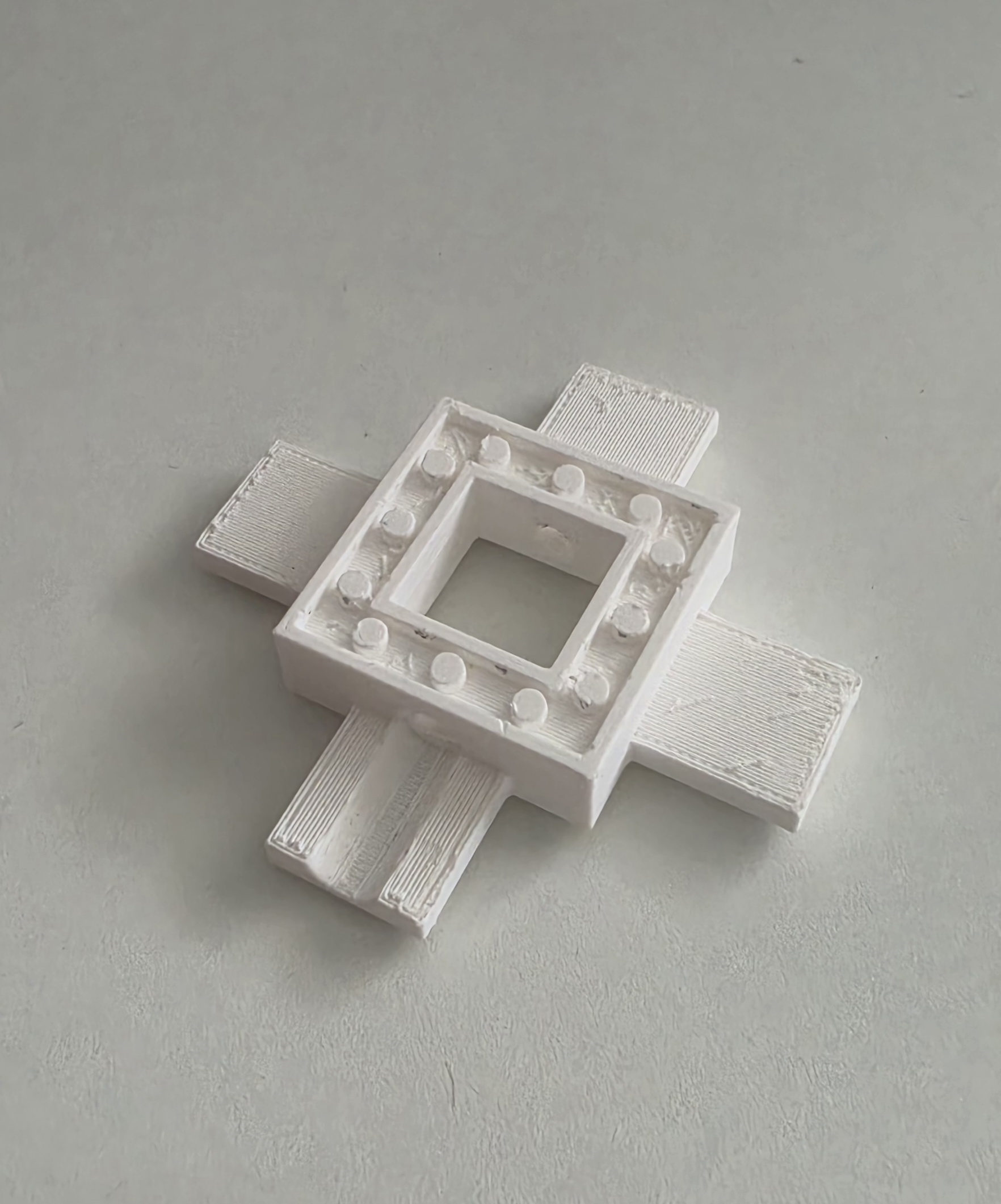
Changes like this are made only where they provide a genuine advantage for 3D printing.
Compatible with standard building bricksDimensions, connections and FDM tolerances
The parts are created using standard building-brick dimensions and connection geometry. They are intended to work both with one another and with original moulded parts of a compatible format.
At the same time, fits and clearances take the realities of FDM printing into account. Because printers, materials and print settings differ, the actual tightness of a connection may vary slightly.
What will the finished Ready-to-Print project include?Planned project contents
The goal of Ready-to-Print is to remove as much preparation as possible before printing. Instead of searching for separate models, checking parts, calculating quantities and preparing files manually, the user will receive an organized project.
The planned contents include:
- all printable parts required for the project;
- the correct quantity of every part;
- files organized by colour;
- parts adapted and checked for FDM printing;
- a prepared project ready for print setup;
- information about required colours and quantities;
- an alternative version using an optimized number of colours.
The final contents will be confirmed after the current testing phase is complete.
Fewer colours — the same finished appearancePrint-Optimized Colours
Models like this contain many internal parts that are completely hidden after assembly. In the original construction, these parts may use many different colours. For 3D printing, that can mean buying additional filament colours that have no effect on the final appearance.
Ready-to-Print will therefore include an alternative Print-Optimized Colour version. Visible colours are preserved, while fully hidden parts are changed to a smaller number of colours wherever possible.
A clear reference table will show every replacement, so it is always easy to identify which printed part should be used in place of the colour shown in the instructions.
This can reduce the number of filament spools required without changing the appearance of the finished model.
Why will the first projects be relatively small?Growing a purpose-built part library
At the beginning, Ready-to-Print projects will be relatively small. The reason is simple: I want to use parts that have genuinely been prepared for FDM printing rather than add untested models merely to make a larger project possible.
Every new part that is created, printed and checked also expands the BrickForge library. When the next project is prepared, some of its required parts will already be ready.
As the library grows, it will become possible to create increasingly large and complex Ready-to-Print projects. The first project is both a finished model and the first major step towards a library designed specifically for home 3D printing.
The project is not finished yetCurrent status
The model in the photographs is the real result of the current test build. During assembly, I identified several parts that I want to improve further. Their geometry is now being adjusted, after which they will be printed and checked again.
I do not want to publish the project until I am satisfied with the way it prints and assembles from beginning to end.
Be notified when the project is ready.
Ready-to-Print is still an experiment. If you would like to print and build this project when it is complete, leave your email and I will let you know when the first version is ready.